Oliver Tree’s estimated net worth, music income, streaming earnings, tours, albums, merchandise, record career and creative legacy explained.
Key Highlights
- Oliver Tree was an American singer, songwriter, producer, filmmaker and internet personality.
- Celebrity Net Worth lists his estimated net worth at about $4 million.
- His income came from streaming, touring, music sales, YouTube, merchandise, collaborations and creative projects.
- He became widely known for songs such as “Life Goes On”, “Miss You”, “Alien Boy”, “Hurt” and “Cash Machine”.
- Spotify currently shows him with about 11.5 million monthly listeners.
- His 2026 album, Love You Madly Hate You Badly, added a recent chapter to his music catalogue.
- His financial profile is best understood through music royalties, digital audience growth, touring and brand identity.
Introduction
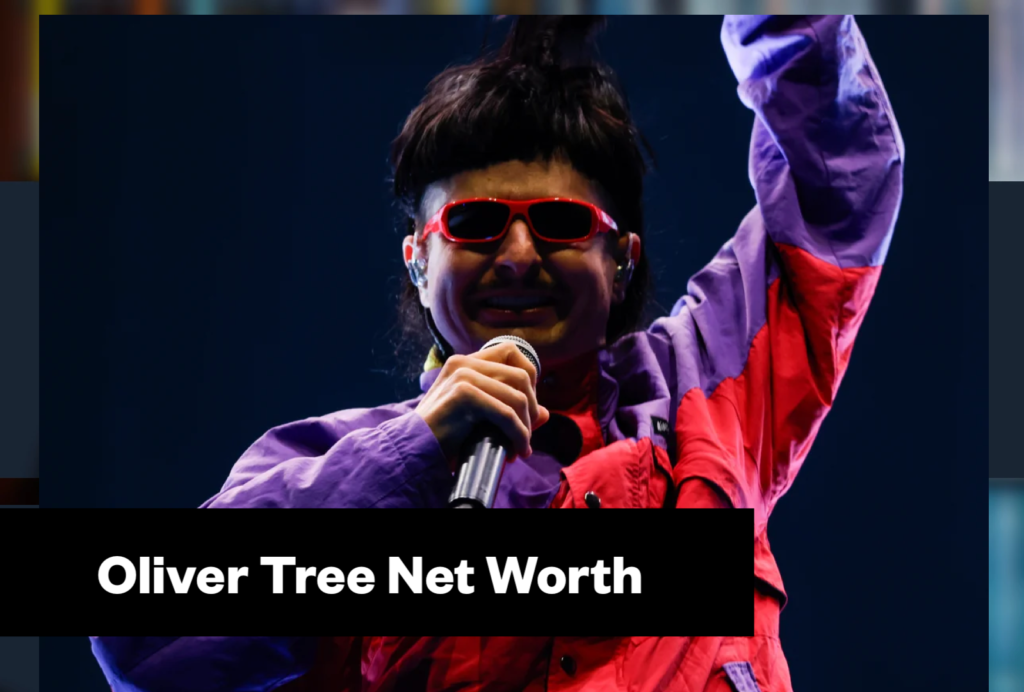
Oliver Tree was one of the most unusual and recognisable artists in modern alternative pop. He built his career around music, comedy, visual storytelling, viral videos and a highly distinctive public image. With his bowl-cut hairstyle, oversized outfits, scooter stunts and absurd humour, he created a brand that was difficult to confuse with anyone else.
Interest in Oliver Tree’s net worth comes from his success across music streaming, touring, YouTube, merchandise and internet culture. Unlike traditional pop stars who rely mainly on polished celebrity branding, Oliver Tree built a career around eccentric creativity. His personality became part of the product, and that helped him stand out in a crowded music industry.
His estimated net worth is commonly placed at about $4 million by Celebrity Net Worth. That figure should be understood as a public estimate based on his career, not as a personal financial record. The stronger part of his financial profile is not the number alone, but the real income signals behind it: millions of monthly listeners, viral songs, international touring, albums, music videos and a loyal fan base.
Oliver Tree’s career also became more emotional for fans after recent reports of his death in June 2026. For a respectful financial profile, the focus should remain on his career, income sources, creative work and legacy rather than sensational details.
Quick Profile Table
| Detail | Information |
|---|---|
| Full Name | Oliver Tree Nickell |
| Stage Name | Oliver Tree |
| Profession | Singer, songwriter, producer, filmmaker and internet personality |
| Nationality | American |
| Date of Birth | 29 June 1993 |
| Age | 32 |
| Birthplace | Santa Cruz, California, United States |
| Known For | “Life Goes On”, “Miss You”, “Alien Boy”, “Hurt” and “Cash Machine” |
| Estimated Net Worth | About $4 million, based on Celebrity Net Worth |
| Main Income Sources | Streaming, tours, music sales, YouTube, merchandise and collaborations |
| Record Labels Linked to Career | Atlantic Records, R&S Records and Alien Boy Records |
| 2026 Album | Love You Madly Hate You Badly |
| Spotify Audience | About 11.5 million monthly listeners |
Oliver Tree’s Estimated Net Worth
Oliver Tree’s estimated net worth is listed at about $4 million by Celebrity Net Worth. This makes him a reasonable net worth topic because his career had visible income sources, including music streaming, touring, YouTube activity, merchandise and record releases.
His wealth was not built from one single hit. It came from a mix of viral music, visual branding, international fan attention and a catalogue that continued to attract listeners. Songs such as “Life Goes On” and “Miss You” helped introduce him to wider audiences, while earlier tracks like “Alien Boy” and “Hurt” helped establish his creative style.
For musicians, net worth is different from total streams or total views. An artist may generate millions of plays, but income depends on royalty rates, label agreements, publishing ownership, management costs, taxes, touring expenses and business structure. This is why a public net worth estimate should be treated as a broad financial picture rather than a full account of private wealth.
Oliver Tree’s financial profile is strongest when viewed as a creative business. His music, videos, visual identity, stage persona and merchandise all worked together to create a brand that fans could recognise instantly.
Why Oliver Tree’s Wealth Story Is Different
Oliver Tree’s net worth story is different from many mainstream pop stars because his career mixed music with internet performance art. He did not only release songs. He built characters, directed strange visuals, created comedic interviews, used exaggerated fashion and turned his public image into part of his entertainment value.
That matters financially because modern musicians often earn from attention as much as from pure music sales. A strong identity can increase streaming, ticket demand, merchandise sales and social media engagement.
Oliver Tree’s brand was built on contrast. His songs could be emotional, but his videos and interviews were often absurd. His image could look comedic, but his music often touched on loneliness, frustration, heartbreak and self-expression. This mixture made him appealing to young listeners who wanted something different from ordinary pop marketing.
His wealth was therefore connected to more than music royalties. It was connected to the full Oliver Tree universe: the songs, visuals, costumes, jokes, videos, tours and fan culture.
How Oliver Tree Made Money
Oliver Tree made money through several entertainment income streams. His financial profile was not based on one source alone.
Streaming Royalties
Streaming was one of his most important income sources. Platforms such as Spotify, Apple Music, YouTube Music and other services pay royalties when users listen to songs. The amount per stream is usually small, but a large audience can create meaningful income over time.
Spotify currently shows Oliver Tree with about 11.5 million monthly listeners. That level of audience suggests strong continuing demand for his catalogue. Songs such as “Life Goes On” and “Miss You” helped drive much of his streaming visibility.
However, streaming income does not go entirely to the artist. It can be divided between the recording owner, publisher, songwriters, producers, distributors and labels, depending on the deal. This is why streaming success does not automatically equal direct personal income.
Touring and Live Shows
Touring was another major part of Oliver Tree’s income. Live performances can generate money through ticket sales, VIP packages, festival fees, merchandise tables and appearance fees.
In 2026, Oliver Tree was promoting major tour activity connected to what he described as a world tour covering many countries and shows. Touring can be expensive because it involves travel, crew, production, equipment, marketing and venue costs. But successful tours can still become a strong revenue source for artists with loyal fans.
For an artist like Oliver Tree, live shows also helped deepen the fan experience. His concerts were not only about songs. They were part of his larger performance identity.
YouTube Revenue
Oliver Tree also had a strong YouTube presence. His music videos, comedy-driven content and visual storytelling helped him build an audience beyond audio platforms.
YouTube can generate income through advertising, music video monetisation, content views and official artist channels. It can also support other income streams by pushing fans toward streaming platforms, tours and merchandise.
His videos were important because they made his songs more memorable. Many artists release music videos, but Oliver Tree used visuals as a core part of his brand. That gave his content more shareable value.
Merchandise
Merchandise likely played a role in his income. Artists with strong visual identities can sell clothing, accessories, posters, collectibles and tour-related products. Oliver Tree’s unusual fashion and recognisable image made him well suited for merchandise.
Merchandise works best when fans feel connected to the artist’s identity. In Oliver Tree’s case, his exaggerated style made his brand easy to turn into products.
Music Sales and Publishing
Music sales, publishing and songwriting royalties also contributed to his earnings. Even in the streaming era, artists can earn from downloads, physical releases, licensing, radio play, public performance royalties and sync placements.
Publishing income can be especially valuable when an artist writes or co-writes songs. If a song is used in films, television, adverts, social media or games, it can create additional income through licensing.
Collaborations
Oliver Tree also gained attention through collaborations with other artists and producers. Collaborations can increase audience reach, introduce an artist to new listeners and create extra royalty streams.
His collaboration-related visibility helped strengthen his profile across genres, including alternative pop, electronic music, indie pop and hip hop-influenced sounds.
Music Career and Rise to Fame
Oliver Tree began releasing music years before he became widely known. He developed his style through a mix of production, songwriting, internet culture and visual experimentation.
His early career included electronic music, alternative influences and independent releases. He later gained wider attention after songs and videos began spreading online. His signing with Atlantic Records helped increase his industry reach and gave him a larger platform.
His debut studio album, Ugly Is Beautiful, was released in 2020 and became a major part of his rise. The album included songs that showed his emotional writing and strange creative world. Tracks such as “Alien Boy”, “Hurt” and “Cash Machine” helped define his public image.
“Life Goes On” became one of his biggest songs and reached a global audience through streaming and social media. “Miss You”, his collaboration-linked hit with Robin Schulz, also became a major international track and increased his visibility outside the United States.
Oliver Tree later released Cowboy Tears and Alone in a Crowd, showing his willingness to change themes, visuals and character presentation while keeping his unusual identity. His 2026 album, Love You Madly Hate You Badly, gave fans another chapter in his catalogue.
Streaming Power and Digital Audience
Oliver Tree’s streaming strength is one of the clearest financial signals in his career. With millions of monthly listeners, his catalogue continued to attract attention even beyond new releases.
Streaming matters because it can create long-term catalogue income. A song that remains popular on playlists, short-form video platforms and fan pages can continue generating royalties over time.
His music was especially suited to digital culture because it combined catchy hooks with emotional themes and memorable visuals. Songs like “Life Goes On” and “Miss You” were easy to share, remix and rediscover.
This is why Oliver Tree’s net worth should not be judged only by album sales. His financial value was tied to a modern music model where streaming, social media and visual identity all work together.
Oliver Tree Net Worth vs Streaming Numbers
Oliver Tree’s estimated net worth of about $4 million should not be compared directly with his streaming numbers. Many fans assume that millions of monthly listeners must automatically mean massive personal wealth, but music income is more complicated.
Streaming platforms pay rights holders, not always the artist directly. The money may pass through labels, publishers, distributors and managers before the artist receives their share.
Also, artists have expenses. These may include production costs, video budgets, touring costs, staff, marketing, legal fees, taxes and creative development.
That is why an artist can have huge public visibility while still having a net worth that looks smaller than fans expect. Oliver Tree’s financial profile was strong for a genre-blending alternative artist, but it should be understood through the realities of the music business.
Record Label Career and Independence
Oliver Tree’s career was closely linked with Atlantic Records, but later public posts and statements suggested tension around label support and creative direction. He also promoted Alien Boy Records, which helped connect his music identity to a more independent brand.
This matters because label relationships can affect income. A major label can provide marketing, distribution and promotion, but it may also take a share of revenue. Independent control can give artists more ownership, but it can also require more self-funding and business responsibility.
For many modern artists, the best financial path depends on the balance between creative control, marketing support and ownership rights. Oliver Tree’s career reflected that tension between major-label reach and personal creative independence.
Assets, Brand Value and Creative Identity
Oliver Tree’s most important assets were not publicly displayed luxury items. His strongest assets were his music catalogue, visual identity, fan base, videos, social media audience and brand recognition.
His brand was extremely specific. The bowl-cut hairstyle, retro outfits, scooter imagery, absurd humour and emotional songs made him memorable. This kind of brand identity can become valuable because it separates an artist from competitors.
For a musician, brand value can influence:
- Streaming performance
- Merchandise sales
- Tour demand
- Collaboration opportunities
- Social media reach
- Licensing potential
- Fan loyalty
Oliver Tree’s financial value came from combining music with visual storytelling. That made him more than a singer. He became a character, creator and internet-era performer.
Lifestyle and Public Image
Oliver Tree’s public image was eccentric, playful and often deliberately exaggerated. He used humour, unusual fashion and strange interviews to create a persona that felt part musician, part comedian and part performance artist.
His lifestyle image was not mainly built around luxury. It was built around creativity, absurdity and rebellion against polished celebrity culture. This made him relatable to fans who enjoyed his refusal to behave like a typical pop star.
He also spoke openly in different interviews about art, career pressure and creative independence. This helped fans see him as more than a joke character. Behind the humour was an artist who cared deeply about expression and originality.
Career Legacy
Oliver Tree’s legacy is tied to his ability to create a world around his music. He was not the biggest musician by traditional industry measures, but he was one of the most distinctive artists of his era.
His songs reached millions of listeners. His visuals became instantly recognisable. His interviews and public persona made him a viral figure. His concerts gave fans a theatrical version of his music.
For many fans, Oliver Tree represented creative freedom. He showed that an artist could be emotional, funny, strange and commercially successful at the same time.
His legacy is also strengthened by how his songs continue to circulate online. Tracks like “Life Goes On”, “Miss You”, “Alien Boy” and “Hurt” remain key parts of his catalogue and will likely continue attracting listeners.
Financial Lessons From Oliver Tree’s Career
Oliver Tree’s career offers useful lessons about modern music income.
First, a strong identity can be as valuable as a strong voice. His visual image helped people remember him.
Second, streaming rewards catalogue strength. Songs can continue earning long after release if audiences keep listening.
Third, touring can turn online attention into real-world income. Fans who discover an artist online may later buy tickets and merchandise.
Fourth, ownership matters. Artists who control more of their music, publishing and brand can often benefit more financially over time.
Finally, creativity can be a business asset. Oliver Tree’s unusual personality was not separate from his career. It was part of what made his work valuable.
Conclusion
Oliver Tree’s estimated net worth was about $4 million, supported by streaming royalties, touring, YouTube, merchandise, collaborations and music catalogue value. His financial story is not only about money. It is about how an unusual artist used creativity, internet culture and visual identity to build a recognisable career.
He stood out because he refused to look or sound like a standard pop star. His music mixed emotional writing with absurd humour and memorable visuals, helping him connect with millions of fans around the world.
Oliver Tree’s wealth profile shows how modern musicians can build value through more than record sales. Streaming, touring, social media, videos, merchandise and brand identity all played a role in his success. His career remains a strong example of how originality can become both an artistic and financial asset.
FAQs
What was Oliver Tree’s net worth?
Oliver Tree’s estimated net worth was about $4 million, according to Celebrity Net Worth.
How did Oliver Tree make his money?
He made money through music streaming, touring, YouTube, merchandise, collaborations, music sales and creative projects.
What was Oliver Tree best known for?
He was best known for songs such as “Life Goes On”, “Miss You”, “Alien Boy”, “Hurt” and “Cash Machine”, as well as his eccentric visual style.
How many monthly listeners did Oliver Tree have on Spotify?
Spotify shows Oliver Tree with about 11.5 million monthly listeners.
What was Oliver Tree’s 2026 album?
His 2026 album was titled Love You Madly Hate You Badly.